SOA Category OG9
SOA qualification for power generation plants
The OG9 category within the SOA qualification system covers the construction, refurbishment, and maintenance of power‑generation facilities. It is one of the most strategic categories in both public and private works, as it includes all infrastructure required to generate electricity. From hydropower plants to wind and solar parks, as well as thermoelectric and geothermal plants, OG9 spans the full spectrum of electricity‑generation technologies. Achieving this qualification requires solid technical and organizational capabilities, dedicated equipment, and a proven track record of similar works. Costs vary depending on the requested financial class.
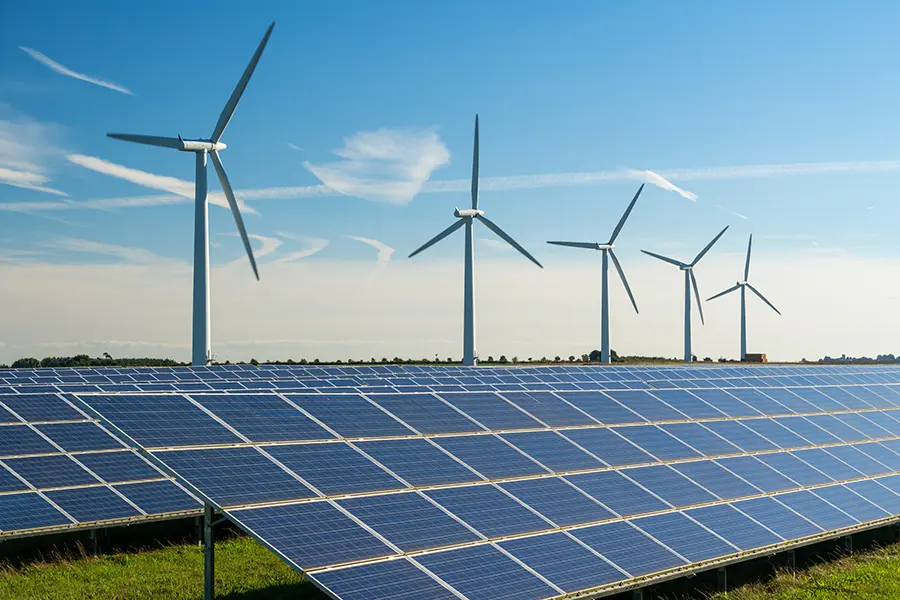
Main types of power generation works covered by OG9
OG9 includes the construction and maintenance of plants designed to produce electricity. Key examples include:
- Hydropower plants: dams, intake structures, tunnels, penstocks, civil works, and powerhouse structures.
- Wind farms: foundations, towers, turbine installation, rotor assembly, and grid connection (lines falling under OG10).
- Photovoltaic plants: solar modules, inverters, cabling, mounting systems, and conversion cabins.
- Thermoelectric plants: turbines, generators, boilers, cooling towers, stacks, and auxiliary systems.
- Biogas/biomass plants: digesters, cogeneration units, storage systems, and electrical interconnections.
- Waste‑to‑energy plants: incineration and energy‑recovery systems (partially overlapping with OS14 depending on project scope).
In summary, OG9 is the energy category par excellence: it certifies companies capable of building generation facilities essential for energy security and the ecological transition.
Related categories that integrate with OG9
- OG10 – Electrical transmission and distribution systems: OG9 covers production, while OG10 covers the connection to the grid, including high‑ and medium‑voltage lines and substations.
- OG4 – Underground works: required when OG9 plants include tunnels, shafts, or underground caverns (e.g., hydropower plants with underground powerhouses).
- OG6 – Water pipelines and utility networks: relevant for cooling circuits, discharge systems, water intakes, and gas supply connections for thermoelectric plants.
- OG5 – Dams: essential for hydropower reservoirs; OG5 covers the dam structure and hydraulic works, while OG9 covers the generating plant.
- OS16 – Electromechanical works for power plants: the specialist category for generators, control systems, switchgear, and internal cabling.
- OS22 – Treatment plants with energy recovery: relevant for biogas‑to‑energy systems in wastewater treatment facilities.
OG9 is a multidisciplinary category integrating civil, hydraulic, mechanical, and electrical expertise to build complex energy infrastructure.

FAQ
SOA Category OG9
OG9 is the beating heart of a country’s energy infrastructure. With rising demand for renewable energy, decentralised generation, and the modernization of older assets, the coming years will see a continuous stream of tenders and opportunities in this field.
For companies, obtaining the OG9 SOA qualification is a decisive competitive advantage: it enables access to high‑value public and private works, strengthens market positioning, and demonstrates technical reliability in a strategic sector.
If your company operates in the energy sector, now is the time to secure or upgrade your OG9 qualification and invest in the skills and technologies that will shape the future.
CONTACT US