SOA Category OG3
Icona OG3 strade, ponti, infrastrutture

SOA Category OG3

Qualification for major transportation infrastructure: roads, railways, metros, bridges, viaducts, and airport runways

The OG3 category plays a central role in Italy’s public works sector. It is the SOA classification dedicated to mobility infrastructure—roads, highways, rail lines, bridges, and other major civil works that connect regions and communities. These projects not only support the daily movement of people and goods but also serve as an economic backbone for the country. Obtaining OG3 certification requires strong technical and organizational capabilities, adequate equipment, and proven experience on comparable works. Costs vary according to the classification level requested.
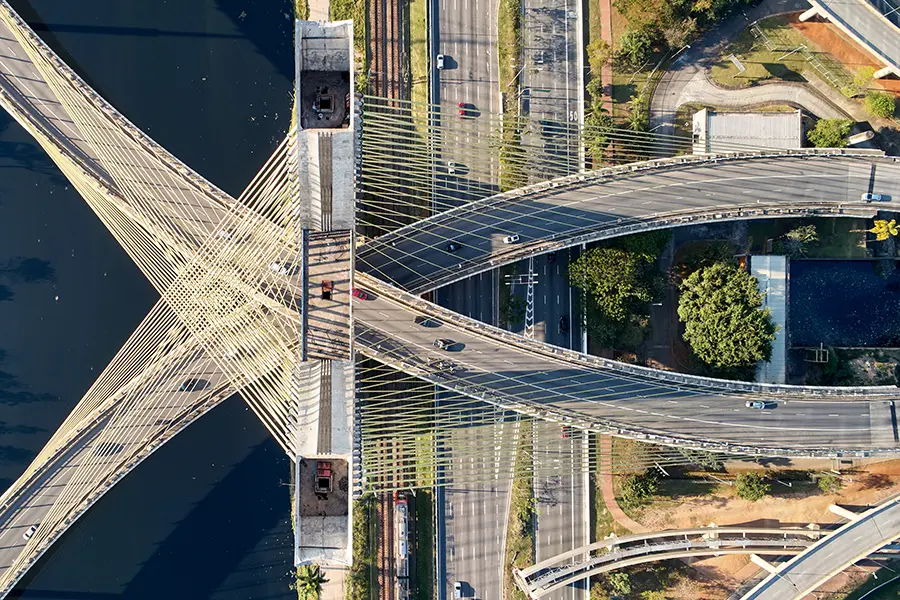
OG3

Simulate the cost of SOA certification

Calculate fees and requirements

Scope of work covered by OG3: roads, bridges and railways

OG3 includes the construction, maintenance, and upgrading of roads, highways, bridges, viaducts, and transport-related civil works. It covers:

  • Roads and highways: construction of new corridors or expansion of existing routes (e.g., bypasses, expressways).
  • Bridges and viaducts: construction, reconstruction, and structural reinforcement, including seismic retrofits.
  • Railways and metro systems: new lines or urban extensions (e.g., Milan’s M4 metro).
  • Airport runways and airside areas: construction or expansion of runways, aprons, and special pavement systems with signaling installations.
  • Maintenance and retrofit works: resurfacing, safety-barrier installation, and structural monitoring systems.

In short: OG3 is the category for transportation infrastructure – essential for roads, railways, and airports. Holding it means operating in one of Italy’s most strategic, high‑impact sectors.

Complementary categories that integrate with OG3

  • OG4 – Underground works: required when the alignment includes tunnels or underground structures. Large highway or rail projects (e.g., Apennine motorways, high‑speed rail) typically require OG3 for surface works and OG4 for tunneling.
  • Road‑related specialist categories:
    • OS9 lighting, traffic signaling, and safety systems;
    • OS10 vertical and horizontal road signage;
    • OS12-A road safety barriers (guard rails, crash attenuators).
  • Structural and systems categories:
    • OS21 consolidation works, deep foundations, slope stabilization;
    • OS30 electrical installations and lighting for tunnels or service areas.
  • Environmental and landscaping categories:
    • OS12-B rockfall and snow barriers in mountain zones;
    • OS24 landscaping and roadside urban design;
    • OS34 noise‑reduction barriers;
    • OG8 river and hydraulic works needed for diversions or protective structures.

OS20 (geognostic investigations) and OS19 (telecommunications/ITS systems) also integrate into complex OG3 projects such as highways or high‑speed rail lines.

Technical Datasheets (PDF)

Download now

FAQ

FAQ
SOA Category OG3

What is the official “declaratory” of OG3?

According to Annex A of D.P.R. 207/2010, OG3 includes “roads, highways, bridges, viaducts, railways, tramlines, metro systems, cableways, and airport runways, along with all related complementary works.” In practice, it covers all transport infrastructure—road, rail, and air—whether for construction, maintenance, or upgrading, complete with all auxiliary systems needed for safe operation.

Declaratory (official text):
OG3 concerns the construction, maintenance, or upgrading of network‑based works necessary to enable mobility on road, rail, and air routes, regardless of scale. It includes all complementary and accessory works—both network-based and site-specific—rail track systems, and all automated, electromechanical, electrical, telephone, electronic, and traction systems needed to ensure usability, information, safety, and assistance for end users. 
It covers, for example: roads of all categories, highways, expressways, special pavements, cut‑and‑cover tunnels, surface and elevated interchanges, surface car parks, slope‑stabilization works, embankments, national and local railways, metro systems, cableways, tramlines, aircraft runways, heliport aprons, stations, pavements made with special materials, and bridges—including those with complex technical features—made of steel, reinforced concrete, prestressed concrete, prefabricated or cast in place.

How does OG3 connect to the broader economy?

OG3 works drive economic growth: investment in transport infrastructure boosts GDP, employment, and productivity. Efficient roads and railways reduce logistics costs, improve market access, and strengthen international competitiveness. During economic downturns, OG3 projects stimulate the economy immediately (job creation, material demand) and continue generating long‑term growth by enabling faster, safer commercial exchange.

Why is OG3 important across different types of projects?

Because OG3 covers a very wide range of interventions, from small local road improvements to major national infrastructure. Whether it is a provincial road, a highway expansion, a new railway line, or a bridge reconstruction—these works fall under OG3 and are essential to their respective territories. Qualified OG3 companies ensure infrastructure is delivered safely and efficiently. In every sector—industry, tourism, commerce—transport networks are a decisive factor. For this reason, OG3 is critical for projects of every scale, from industrial‑area connections to major metropolitan metro systems.

Which categories are connected or complementary to OG3?

OG3 frequently integrates with categories handling specialized works:

  • OG4 for tunnels and underground works in rail or road projects
  • OS9/OS10 for lighting and road signage
  • OS12‑A for road safety barriers
  • OS21 for consolidation, deep foundations, and ground stabilization

Complex projects – for example, a highway with viaducts and tunnels – typically require OG3, OG4, OS12, OS9/OS10, and others, often delivered by multidisciplinary teams or temporary consortia (ATI).

Does OG3 include railway and metro infrastructure?

Yes. OG3 includes both road and rail infrastructure—railway lines, tramlines, and metro systems—when the work is primarily transport‑infrastructure oriented.

When are OS9, OS10, or OS12‑A required together with OG3?

These categories apply to specific complementary works:

  • OS9 – illuminated signage and traffic‑light systems
  • OS10 – road markings and signage
  • OS12‑A – safety barriers

Most comprehensive OG3 projects require them.

Can OG3 and OG8 appear together in the same contract?

Yes. This occurs when a road project requires river diversions, embankments, or flood‑protection works – areas covered by OG8.


OG3 is the backbone of Italy’s transportation infrastructure. Without OG3‑qualified contractors, the country would not have safe roads, durable bridges, or modern railway systems. For construction companies, obtaining SOA OG3 certification opens access to a high‑value market while taking on the responsibility of delivering infrastructure essential for Italy’s future..

Interested in expanding your SOA qualification with OG3 or learning how to participate in major infrastructure tenders? Contact us today. Our team of SOA and public‑procurement specialists is ready to assist you at every step – don’t miss the opportunity to grow your business in the large‑scale public works sector.

CONTACT US

Go to Top